Discover why sexual betrayal shatters trust so deeply and why healing requires addressing not only the behavior, but also the deception, entitlement, trauma, and damaged intimacy beneath it.

Navigating the aftermath of infidelity is a deeply painful and complex journey. As someone who has spent years supporting individuals through this process, I understand how overwhelming and isolating it can feel. In this article, I will walk you through the emotional impact of sexual infidelity and the cheating in a relationship, the stages of recovery from infidelity, how to recognize and face betrayal, coping strategies for healing, the difficult decision of whether to reconcile or separate, and pathways to rebuilding yourself and your life after betrayal.
When infidelity strikes, it doesn’t just sting—it can feel like your entire world has been hit by a hurricane. The betrayal shakes the very foundation of your reality, leaving you reeling. I’ve often described it as a “gut punch.” In those first moments of discovery, many people feel emotionally frozen as though time itself has stopped, or they’re overwhelmed to the point of not knowing which way is up. If you’re wondering how to heal from infidelity, it begins with recognizing that what you’re experiencing is betrayal trauma.
This is betrayal trauma, and it doesn’t stay neatly in your mind. It floods your body. I’ve seen it show up as anxiety, depression, sleepless nights, or even physical health issues that come from the unrelenting stress. Betrayal is not only an emotional wound, it’s a whole-body wound.
And here’s the cruelest twist: partners who’ve been betrayed often turn the blame inward. They’ll ask, “Was I not sexy enough? Did I not do enough?” The shame and guilt can be crushing. But let me be very clear: this is not about your worth. Healing from infidelity starts by acknowledging the emotional impact for what it truly is—a trauma. Naming it and seeing its full scope is the very first step toward recovery.
And for some, this journey unfolds against the backdrop of high-conflict divorces where the pain of betrayal collides with the stress of separation, custody battles, and legal disputes—making healing even more complex but no less possible.

For many, the discovery of infidelity doesn’t come with warning signs. It lands as a massive shock, leaving a deep sense of disbelief. Partners often say, “I never saw it coming” and that disbelief only adds to the pain because suddenly the story you thought you were living gets called into question.
Betrayal comes in many forms—emotional affairs, physical affairs, and, in some cases, sex addiction. Untangling which is which matters because they carry different layers of complexity. Infidelity is about choices and secrecy, while sex addiction is about compulsions that feel impossible to control without treatment. For the betrayed partner, though, the devastation can feel the same.
And often, the full truth doesn’t come all at once. What I call “dripping disclosures” can drag the hurt out over time. Each new revelation reopens the wound, making healing harder because the ground never feels solid. In those moments, it’s natural to start questioning everything… searching online for answers, trying to piece together the story, or turning to betrayal trauma therapy just to make sense of the chaos.
Recognizing betrayal in all its forms is painful, but it’s also the first step in learning how to heal from infidelity. Without facing the reality of what’s happened, there’s no path toward true healing.
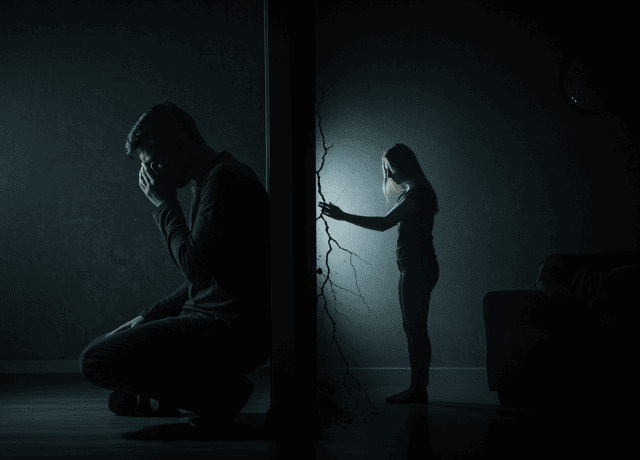
In the wake of betrayal, coping is less about “moving on” quickly and more about finding ways to steady yourself in the storm. Betrayal trauma therapy can become a lifeline because it gives you tools to regulate emotions that otherwise feel unmanageable. Anger, sadness, shame—these feelings don’t just vanish on their own. They need space, structure, and care.
One of the first steps in healing is reclaiming control over your own responses. That means moving away from cycles of self-blame and instead focusing on self-care. Sometimes that looks like therapy. Sometimes it looks like hypnotherapy, mindfulness, or other practices that calm the nervous system enough so you can breathe again.
It’s also important to understand what led to the betrayal in the first place. For some partners, infidelity is tied to the characteristics of sex addicts—compulsivity, secrecy, and difficulty with emotional intimacy. Recognizing these patterns doesn’t excuse the behavior, but it can bring clarity and help you decide what boundaries are necessary for your healing.
If trust is ever to be rebuilt, boundaries have to be part of the process. Boundaries aren’t about punishment; they’re about clarity—what’s acceptable, what’s not, and what healing requires. Trust doesn’t reappear because someone says, “I’m sorry.” It comes through consistent, open, honest communication and behavior over time.
Healing from infidelity is not linear; it’s messy. But with the right coping strategies and emotional regulation, it is possible to find steady ground again.

Perhaps one of the hardest parts of healing from betrayal is facing the decision: Do we stay and rebuild, or do we separate? That question doesn’t come in the crisis phase; it emerges during stabilization, once the initial storm has calmed enough for reflection.
In that space, I encourage partners to ask themselves: “Am I safe? Do I feel emotionally nurtured?” These are not small questions. They go straight to the heart of whether it’s possible to heal from infidelity within the relationship.
If the betrayer is truly doing the work—acknowledging the harm, seeking help, committing to change then reconciliation may be an option. But if there’s continued neglect, defensiveness, or avoidance, many partners decide they can’t continue in the relationship.
The choice to separate often comes with guilt and exhaustion, while the choice to stay requires a renewed sense of self-worth and the ability to trust that real change is happening. Neither path is easy. Both require strength, reflection, and support.
Betrayal trauma therapy is particularly important here because it helps hurt partners sort through the fog of emotion, regain their footing, and make decisions that are grounded in clarity rather than fear.

After the crisis has passed and stabilization has taken root, the path ahead becomes clearer. Some couples choose to stay, fully committing to the difficult work of healing together. Others part ways. Either path can be valid, but what matters most is whether healing and growth are happening and each person finds their own way in how to recover from getting cheated on.
For many betrayed partners, the journey doesn’t end with survival—it leads to post-traumatic growth. That means emerging with a deeper sense of self-worth, stronger boundaries, and an inner resilience that wasn’t there before. It’s not about being grateful for the betrayal; it’s about recognizing the strength you built by moving through it and discovering how to heal from betrayal in marriage when that is the chosen path.
Therapy and support groups are invaluable here. They offer guidance, community, and tools for healthy communication and intimacy, whether with your current partner or in future relationships.
And for some, the end of the relationship marks the beginning of a new chapter altogether. It can be a time to discover self-love, rebuild life on your own terms, and step into a future defined not by betrayal, but by growth.
Healing from infidelity is a long road, but it’s not a dead end. With support, with therapy, and with compassion for yourself, it is absolutely possible to move forward, whether alongside your partner or in a life you create anew.
Discover why sexual betrayal shatters trust so deeply and why healing requires addressing not only the behavior, but also the deception, entitlement, trauma, and damaged intimacy beneath it.
After betrayal, you’re left asking impossible questions: Was it an addiction? A choice? Can it change? Listen to powerful conversation with sexologist and social worker Cheryl Camarillo.
Yes, there’s sex addiction, the compulsive sexual behavior, and… there’s lying. Deceptive sexuality must be addressed in addition to your sex/porn addiction.

Why do people stay in dysfunctional relationships? Guest Cheryl Ann Camarillo answers, sharing her personal experience with a partner’s porn addiction.

Cheryl shares her personal journey and professional insights on how sex addiction begins, its impact on relationships, and the path to recovery.