Discover why sexual betrayal shatters trust so deeply and why healing requires addressing not only the behavior, but also the deception, entitlement, trauma, and damaged intimacy beneath it.

Why is it that statistically, men are more likely to cheat?
What is it that people who end up with sex addictions, alcohol, porn, gambling, or any other addictions want?
Why do women or individuals choose and STAY in relationships with partners who have these dysfunctional mechanisms?
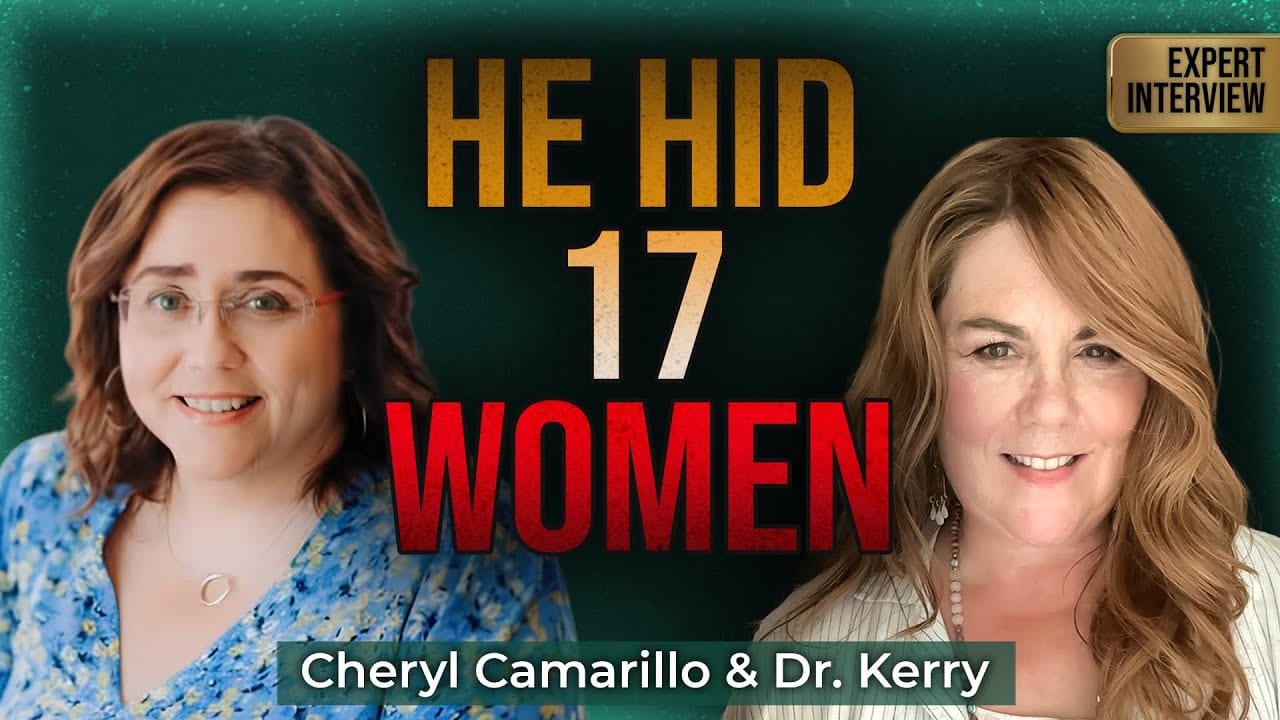
All of this is answered with special guest Cheryl Ann Camarillo, who will explain why do people cheat and talk from her PERSONAL experience of what she learnt being in a relationship with someone with a porn addiction.
In this blog, I’ll walk you through key moments from a recent podcast interview where I delved into the complexities of betrayal trauma, infidelity, and how emotional wounds shape our relationships. As a certified sexologist and therapist, I’ve spent years helping people heal from the pain caused by unfaithfulness and emotional neglect. Through this conversation, I hope to offer you insight into the deeper emotional processes behind these painful experiences, as well as guide how to reclaim your self-worth and create healthier, more fulfilling relationships.
Betrayal is often the most excruciating form of hurt in a relationship. Whether it’s cheating, emotional unavailability, or addiction, the pain isn’t just a fleeting moment. It creates lasting emotional trauma that shapes how we see ourselves and how we engage with others.
In our conversation, I shared how betrayal impacts both the person being betrayed and the person acting out.
Betrayal, in its many forms, isn’t just about the hurt caused by one event. It’s about the emotional aftermath. The trauma left by betrayal often runs deeper and lasts much longer than the incident itself.
Many people experience rejection in relationships when their partners are emotionally unavailable. This rejection could manifest in various ways, such as addiction or infidelity and it can leave the betrayed partner feeling unseen, unheard, and unloved.
“Rejection can come in terms of cheating…”
Someone who has some kind of addiction that takes away from the relationship with their partner.
What’s most concerning is not just the pain the betrayed partner endures but why they stay. Despite the harm caused by their partner, many individuals continue in a dysfunctional relationship. It’s important to understand why people stay with partners who hurt them. Often, it’s tied to a lack of understanding of their own value and self-worth.
In my own work, I’ve noticed that the clients who have been through betrayal often stay in these relationships for longer than one might expect. It’s because they haven’t realized yet that they deserve more… more love, more respect, and more connection.
The question isn’t just why did this happen, but why am I staying in it?

When we discuss “acting out,” we’re talking about behaviors like cheating, pornography addiction, emotional affairs, or other forms of seeking excitement outside the relationship. These actions aren’t just random, they are coping mechanisms often linked to deeper emotional wounds.
“Acting out” behaviors are a way for individuals to cope with emotional pain or trauma. It’s not about being malicious or inconsiderate, it’s often a learned response to deeper emotional issues.
The majority of the work I do with men who are engaging in acting out behaviors is rooted in trauma which is often the driving force behind these behaviors. Many men engage in infidelity or addiction because they are trying to escape unresolved emotional pain.
I’ve worked with clients who engage in a range of behaviors such as multiple affairs, pornography addiction, or even emotional affairs—seeking validation and excitement from others outside their committed relationships. These actions are often a cry for help, an attempt to numb the emotional pain they’re experiencing which can reinforce toxic relationship behaviors over time.
It’s important to recognize that these behaviors aren’t just about the thrill or pleasure, they are often tied to deeper emotional needs that haven’t been met. When people act out, they’re trying to escape something painful whether it’s their past trauma or their inability to cope with difficult emotions. These coping mechanisms become a way to temporarily fill that void, often keeping the person stuck in a dysfunctional relationship dynamic.

Narcissism is a term we hear frequently in discussions about toxic relationship behaviors, but it’s essential to understand what it really means. Narcissists often seek excitement and validation from external sources because they feel inadequate inside. In this segment, I explain how narcissistic behaviors stem from emotional needs that were never addressed.
Narcissists often develop these behaviors as a coping mechanism from childhood. For example, when a child is forced to play a caregiver role for a parent, they never get to experience the care and attention they need as a child.
This creates an emotional void that they later try to fill by seeking validation and attention from others. It’s important to understand this because it helps us see these behaviors in a new light. They’re often a result of deep unresolved emotional wounds that can lead to toxic relationship behaviors later in life.
Awareness is the first step toward healing emotional wounds and breaking free from unhealthy dynamics. By gaining clarity and taking steps toward empowering yourself, it becomes possible to set boundaries and move toward healthier and more authentic connections.

Why do so many women stay in relationships with partners who emotionally neglect or betray them? The answer often lies in self-worth and the lack of healthy relationship models. If we were never taught what a healthy relationship looks like, how can we expect to create one?
Many women don’t realize their worth because they’ve never been shown what healthy, stable love looks like. They settle for a dysfunctional relationship because they don’t feel they deserve more.
The nervous system plays a huge part in the types of relationships we seek. If a person’s nervous system has been conditioned to be around instability, like growing up in a chaotic environment, they’re likely to seek out the same type of energy in relationships, even if it’s painful.
Healing begins when we realize we are enough. If you’ve been in dysfunctional relationships or have experienced betrayal, the first step to recovery is acknowledging your worth and believing that you deserve better.
In my experience, the people who heal the fastest are often the ones who decide to stop tolerating bad behavior.
They stop making excuses for their partners and realize that they are worthy of a healthy, stable relationship. This shift can happen when they realize that what they’ve been accepting is not love, it’s simply a cycle of emotional neglect and pain.

The path to healing isn’t about waiting for someone else to change… it’s about taking responsibility for your own emotional well-being. In this final section, I share how individuals can empower themselves to break free from toxic relationship patterns by focusing on self-care and setting clear boundaries.
Discover why sexual betrayal shatters trust so deeply and why healing requires addressing not only the behavior, but also the deception, entitlement, trauma, and damaged intimacy beneath it.
After betrayal, you’re left asking impossible questions: Was it an addiction? A choice? Can it change? Listen to powerful conversation with sexologist and social worker Cheryl Camarillo.
Yes, there’s sex addiction, the compulsive sexual behavior, and… there’s lying. Deceptive sexuality must be addressed in addition to your sex/porn addiction.

How do you cope when trust is shattered by infidelity or a partner’s sex addiction? This episode is a crucial guide for these daunting questions.

Cheryl shares her personal journey and professional insights on how sex addiction begins, its impact on relationships, and the path to recovery.