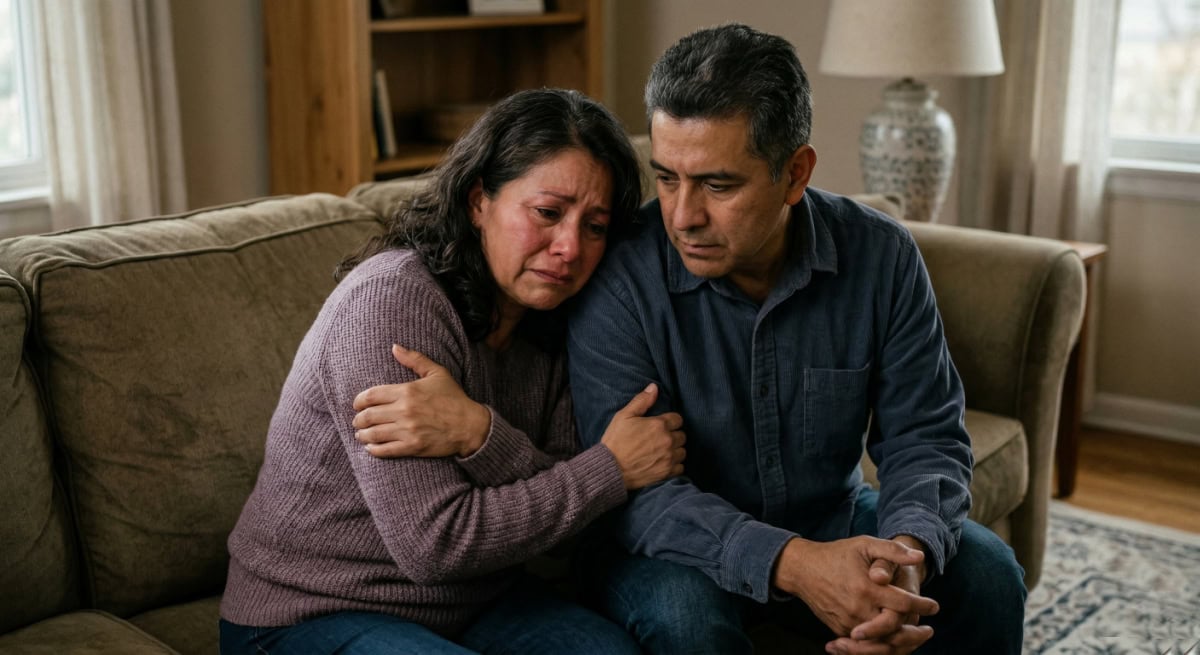
Understanding Betrayal Trauma in Relationships
You broke trust. Maybe it was affairs, porn, online acting out, or a secret sexual life. You’re going to therapy, maybe even talking to your pastor or a group, hoping things will get better. But your partner still looks shattered, and sometimes it seems like getting “help” is making it worse.
If you really want to be a better man, you need to understand why.
When you’ve betrayed your partner sexually, she’s not just hurt. She is often traumatized. Her body, brain, and nervous system are reacting to what happened as a real threat. She may feel unsafe in her own home, in her own body, and in the relationship she thought she had with you.
This is where real healing from betrayal trauma begins, by understanding the depth of what she is experiencing.
What Is Institutional Betrayal Trauma
Now imagine this. She finally reaches out for help. Therapy, clergy, couples counseling, or even the legal system. Instead of feeling supported, she is misunderstood, minimized, or blamed.
That experience is called institutional betrayal.
It happens when the very systems meant to help end up causing more harm.
How Therapy and Systems Can Reinforce Betrayal Trauma
Here are some common ways this shows up:
- A therapist tells her to “forgive and move on” before safety, truth, and accountability are in place. She hears that her pain is too much and needs to be rushed.
- In couples therapy, no one addresses emotional, psychological, or sexual betrayal directly. The focus shifts to her reactions instead of your actions.
- A clinician suggests your behavior happened because she wasn’t enough. This reinforces shame and self-blame.
- Authority figures question why she stayed, ignoring trauma, fear, finances, and family dynamics.
From your side, these may sound neutral or even logical.
From her side, they are devastating.
Why Minimizing Betrayal Blocks Real Recovery

You might feel relief when a therapist focuses more on her reactions instead of your behavior.
But that relief is a trap.
When your actions are minimized:
- She is retraumatized and feels unsafe
- You stay disconnected from the real impact of your choices
- Healing is delayed because the root issue is avoided
Real betrayal trauma recovery for men requires facing what actually happened, not avoiding it.
Betrayal Trauma Recovery for Men Requires Accountability
Some professionals miss the mark because they lack training in betrayal trauma. Others unintentionally reinforce harmful patterns.
But if you lean into that minimization, you become part of the problem.
This is where true accountability after infidelity begins.
Not by looking for validation
But by choosing truth over comfort
How to Rebuild Trust After Cheating
If you want to respond differently, here are the shifts that matter:
- Notice when conversations minimize your behavior. Instead of relaxing into it, question it.
- Refuse to accept explanations that shift responsibility onto her.
- Pay attention to how she feels after therapy or conversations with others.
- Ask with curiosity:
- “Did you feel understood?”
- “Did anything feel blaming or off?”
- Validate her experience without defending the system or the person involved.
This is part of learning how to rebuild trust after cheating in a way that actually supports healing.
Becoming a Man Who Takes Responsibility
Institutional betrayal may not be something you can control.
But your response is.
You can choose to:
- Stand with her instead of distancing yourself
- Recognize when harm is happening, even if others don’t
- Seek real, trauma-informed support
This is what betrayal trauma recovery support looks like in action.

The Man You’re Becoming
If you’ve read this far, part of you is ready for something different.
You don’t want to be the man who hides, blames, or benefits from others minimizing your actions.
You want to be the man who tells the truth.
That starts with this:
“I did this. My choices caused harm. And I am willing to face that.”
From there, everything changes.
You stop looking for ways to feel better about what happened
And start looking for ways to help her heal
You may not be able to undo the harm
But you can stop adding to it
You can become the one person in her life who:
- Does not question her reality
- Does not minimize her pain
- Does not hide behind the words of others
That’s what a better man looks like.
Not perfect
But honest
Accountable
And committed to doing the work
Ready to Take the Next Step
Want to understand your partner and begin real accountability?
Explore support designed specifically for betrayal trauma recovery and relationship repair.