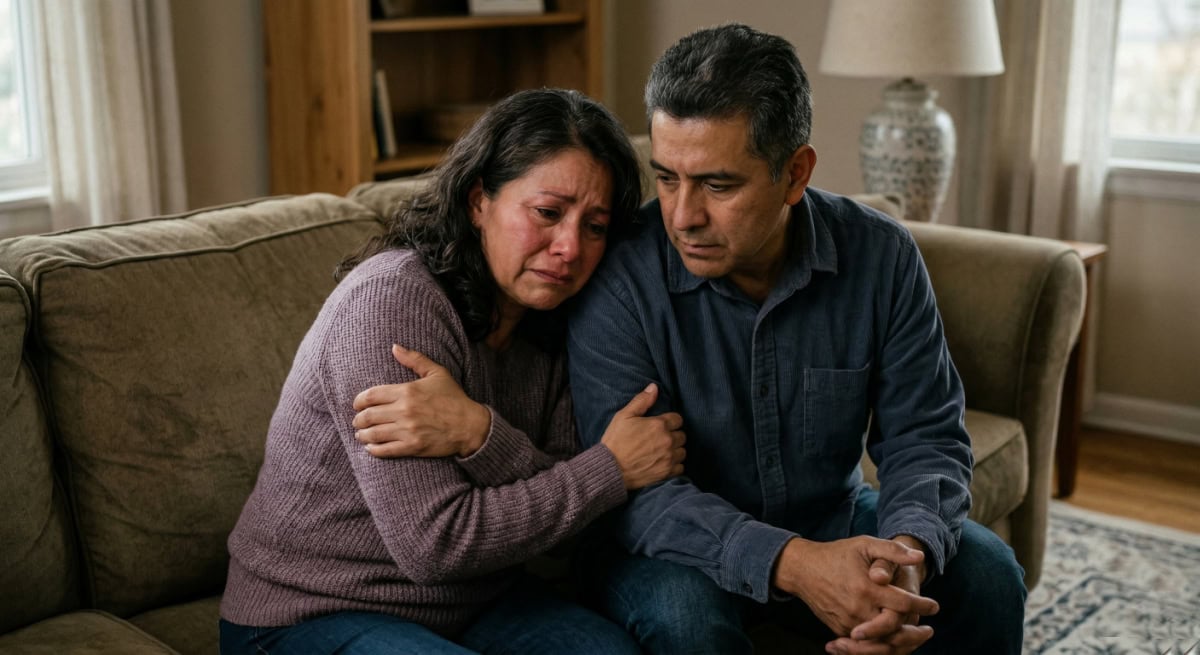
When recovery after betrayal feels stalled, the question may not be whether treatment works, but whether we’ve identified everything that needs attention.
“We’ve tried everything. Nothing works.”
I hear some version of this frequently during consultations.
After betrayal, a couple may have already been in therapy. They may have read books, listened to podcasts, had countless conversations, made promises, set boundaries, and tried to move forward.
Yet months, or sometimes years, later, they still feel stuck in betrayal trauma recovery.
The betrayed partner may still be checking, questioning, struggling with triggers, or waiting for the next discovery. These reactions can be connected to hypervigilance after betrayal, especially when safety and trust have not been fully restored.
The partner who engaged in the behavior may feel frustrated and ask, “What else am I supposed to do?”
Eventually, both people may begin to wonder whether the relationship is simply beyond repair.
When someone tells me that nothing has worked, I do not immediately assume that nothing can work. Instead, I begin asking questions.
Sometimes the more useful question is not “Why isn’t anything working?”
It is “Have we identified everything that needs to be worked on?”
Why Betrayal Trauma Recovery Can Feel Stuck
Feeling stuck does not always mean that a couple has failed or that the relationship cannot heal. It may mean the treatment was too brief, did not address the full problem, or began with relationship work before each person had enough individual stability.
Recovery from betrayal is rarely accomplished through one conversation, one boundary, or a handful of therapy sessions. This is especially true when sexual compulsivity, addiction, chronic deception, or repeated infidelity is involved.
Healing usually requires a treatment path rather than one solution.
How Much Treatment Actually Happened?
The first thing I want to understand is what “we tried therapy” means.
Was treatment consistent?
Was it a few appointments during a crisis, or was there sustained work over time?
Did therapy continue after things began feeling better, or did treatment stop once the immediate crisis settled down?
Did both partners participate in the work that was recommended?
These questions are not intended to blame anyone when treatment has not succeeded. They help clarify what was actually attempted and whether enough time was given for meaningful change.
Recovery requires consistency. Rebuilding trust after an affair takes time because trust grows from repeated experiences of honesty, accountability, and safety.
Was the Treatment Specialized Enough?
I also ask about the professionals involved.
Betrayal trauma and problematic or compulsive sexual behavior can be complicated clinical issues. A therapist can be highly skilled and compassionate without having extensive training in these particular areas.
I may ask questions such as these.
- What kind of training did the therapist have?
- Did the therapist have experience working with betrayal trauma?
- Was problematic sexual behavior or sex addiction appropriately assessed?
- Was the impact of deception on the betrayed partner understood?
- Did treatment focus mainly on communication, or did it also address the individual concerns contributing to the crisis?
This is not about criticizing a previous therapist. It is about making sure the treatment fits the problem.
Traditional couples work may not be the safest first step when deception is ongoing or the betrayed partner is still in a trauma response. I explain this more fully in Why Couples Therapy Often Fails After Infidelity.
Did Treatment Focus Only on Stopping the Behavior?
This is one of the biggest areas I explore.
Of course the behavior matters.
If there is ongoing infidelity, pornography use that violates the relationship agreement, secret sexual behavior, or continued deception, stopping those behaviors is essential.
But stopping a behavior and becoming emotionally healthy are not necessarily the same thing.
I want to understand what is happening underneath and around the behavior.
Depending on the individual, treatment may also need to consider anxiety, depression, ADHD, trauma history, attachment patterns, emotional regulation, shame, entitlement, difficulty with empathy, or other psychological concerns.
I don’t focus only on the person who engaged in the behavior.
Both people matter.
The betrayed partner may need individualized support for trauma responses, anxiety, sleep disruption, hypervigilance, intrusive thoughts, or the enormous emotional burden of trying to determine what is safe and what is true.
Sometimes the couple has been working very hard on the relationship while one or both individuals have not yet received the support they need.
Stop Looking for One Answer and Build a Treatment Path
There is another statement I hear frequently.
“We aren’t finding answers.”
When I hear this, I often shift the conversation away from finding the answer and toward developing a treatment path.
That path may involve several components rather than one solution. It may include individual therapy, specialized assessment, trauma stabilization, medical or psychiatric support, group support, accountability work, and couples sessions at the appropriate stage.
Surprisingly, the first priority may not be intensive couples work.
Sometimes each individual needs to become stronger and more stable before the couple can effectively address deeper relationship issues.
That does not mean abandoning the relationship. It means preparing both people to participate in relationship work more safely and effectively.
What Happens to Couples Therapy in the Meantime?
Couples work can still be very important in the early stages, but its purpose may be different.
Rather than trying to resolve the entire relationship, early sessions may focus on stabilization.
The couple may work on boundaries, immediate safety concerns, and agreements involving phones, technology, communication, or accountability. They may decide whether additional resources are needed. They may also develop a plan for what happens when the betrayed partner becomes triggered or difficult questions arise.
Before asking, “How do we save this relationship?” it may be necessary to ask another question.
“What needs to happen so both people can safely participate in trying?”
Three Things I Watch Closely
As treatment progresses, I pay particular attention to three areas.
Honesty. Empathy. Safety.
Not occasionally. Consistently.
Honesty
Is accurate information being provided even when telling the truth is uncomfortable?
Is deception actually ending, or is information still being minimized, omitted, or disclosed a little at a time?
Trust cannot be rebuilt while reality remains uncertain. If lying has become a repeated pattern, understanding why honesty is essential for rebuilding trust is an important part of recovery.
Empathy
Can the person who caused the injury begin to understand its impact?
Can they remain present with their partner’s pain without immediately becoming defensive, explaining their intentions, becoming angry, or demanding that their partner move on?
Empathy does not undo betrayal. It changes what happens when the injury enters the relationship again.
Safety
Is the betrayed partner beginning to experience greater emotional and relational safety?
This is different from being told, “You have to trust me.”
Trust cannot simply be demanded after betrayal. It develops as a person repeatedly experiences evidence that the relationship is becoming safer.
That takes behavior, and it takes time.
Trust Is Rebuilt Through Patterns
One honest conversation is important.
One empathic response matters.
One respected boundary matters.
But trust is not usually rebuilt because of one extraordinary moment.
It is rebuilt through ordinary moments repeated consistently.
The truth is told again.
The boundary is respected again.
The difficult question is answered again.
The defensive response becomes an empathic one.
The promised behavior actually happens.
Over time, those experiences create a different pattern. That gives the nervous system something new and reliable to begin believing.
Feeling Stuck After Betrayal Is Not the Final Answer
If you have been trying for months or years and still feel stuck, I do not want to minimize how discouraging that can be.
Some relationships do end despite significant effort. Treatment cannot guarantee reconciliation, and reconciliation should not be the only measure of successful treatment.
Before concluding that nothing works, it may be helpful to examine what has actually been addressed.
- Was treatment consistent?
- Was the provider appropriately trained for the concerns involved?
- Did treatment focus only on stopping the behavior, or did it address the underlying psychological and relational concerns?
- Did both individuals have opportunities to become healthier and more stable?
- Is the relationship beginning to show consistent honesty, empathy, and safety?
Perhaps the question is not “Why isn’t anything working?”
Perhaps it is “Have we identified everything that needs to be worked on?”
That question can lead to a very different path forward.

A Place to Start After Betrayal
If you are the betrayed partner and feel overwhelmed by where to begin, I developed a four-week program specifically for you.
You deserve a supportive, structured place to start your healing. This program helps you understand what happened, recognize the impact of betrayal, and take meaningful steps toward rebuilding your sense of stability and self-trust.
You deserve a great place to start the healing.
Book a consultation below to learn more and determine whether After Betrayal: A New Now is right for you.