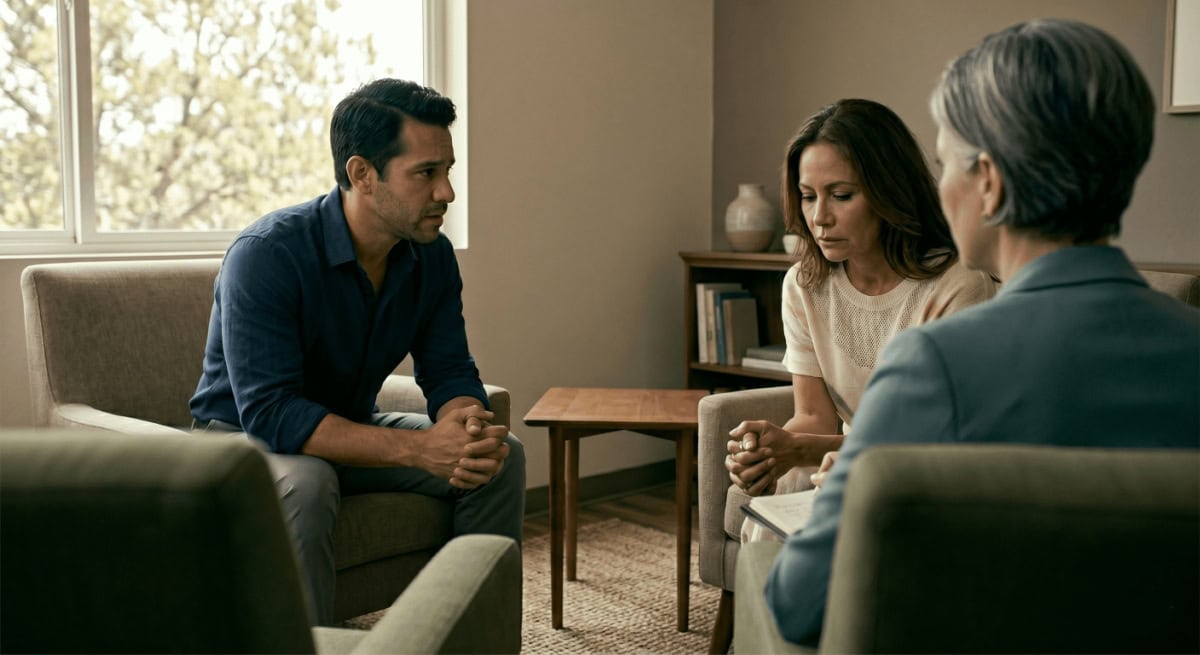
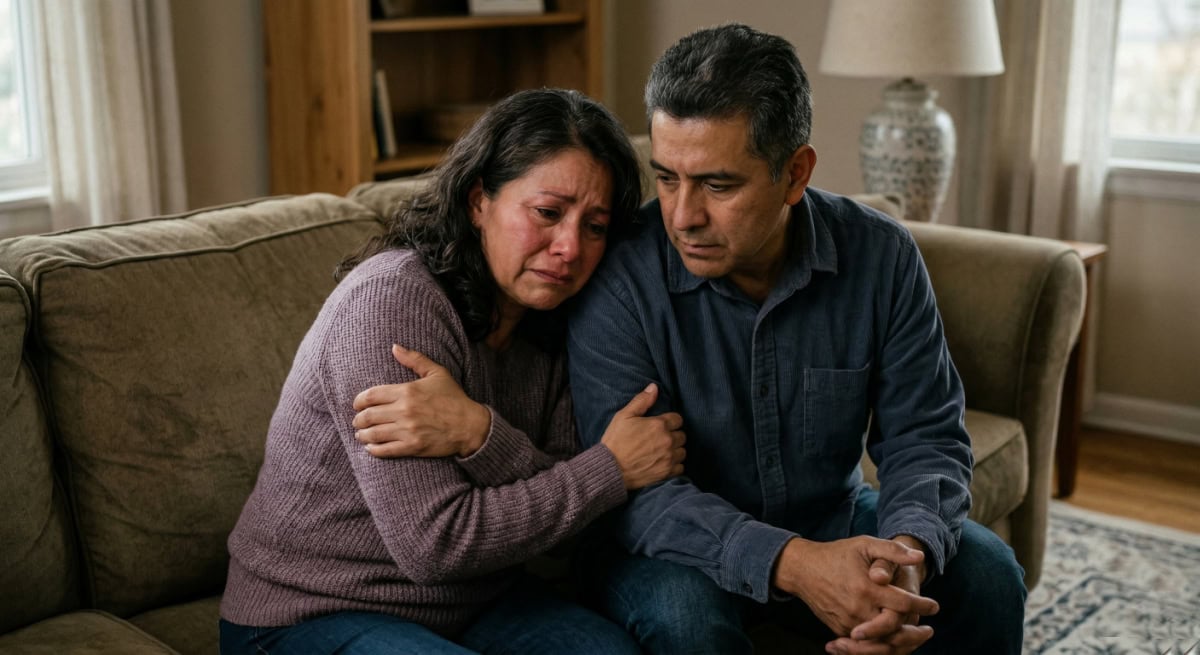
Many people underestimate the damage that lying in a relationship can cause even when the lies seem small or harmless.
When couples walk into my office, one question surfaces again and again: “How can they stop lying?” or sometimes, it’s a tearful confession: “I lie all the time, and I hate it.”
Lying is often the core wound in a distressed relationship. It’s not always about grand betrayals or explosive secrets. Sometimes, it’s the daily omissions, white lies, or inconsistent stories that slowly chip away at trust and over time, those cracks can turn into chasms.
For many partners, especially those who’ve experienced betrayal trauma, lies don’t just hurt… they destabilize their entire sense of reality. Rebuilding from that place isn’t just about stopping the behavior; it’s about re-establishing truth as a foundation for intimacy and safety.
If you’re someone who’s lied or been lied to, I want you to know that healing from lying in a relationship is absolutely possible. However, it must begin with understanding the why and creating a path forward with honesty, structure, and support. Let’s talk about what that actually looks like.
Why Lying in a Relationship Hurts So Deeply
I often teach couples about the intimacy pyramid, a concept that helps visualize what it takes to create closeness, safety, and connection. The base layer is truth and honesty. If that’s missing, the whole structure becomes shaky. Intimacy in all its forms, emotional, physical, sexual, spiritual, and even financial, relies on a shared reality. When lies are present, that reality becomes fragmented.
But what’s equally important to understand is that lying doesn’t just disconnect you from your partner; it also disconnects you from yourself.
Over time, if you’ve been lying for months or even years, you may lose touch with your own emotional cues, values, and internal signals. I’ve had clients who genuinely couldn’t tell when they were getting angry or overwhelmed.
One man asked his partner to give him feedback when he looked agitated because he couldn’t sense it himself. This isn’t uncommon. Lying distorts your reality to such an extent that it becomes hard to recognize what’s real, even inside your own body and mind.

Key reasons lying destroys relationships:
- Erodes the Foundation of Intimacy: Without honesty, there can be no emotional safety, making true closeness impossible.
- Breaks Internal Self-Connection: Habitual lying makes it harder to notice your own emotions, needs, or triggers.
- Reinforces a Double Life: Many people live one life in secret and another with their family, creating dissonance that affects every relationship.
When lying in a relationship becomes routine, it’s not just about dishonesty. It changes how both partners experience safety, love, and connection.
If you’re starting to see these patterns in your own relationship, you don’t have to face them alone. Learning how to rebuild a relationship after lies isn’t easy but with the right support, it is possible.
I invite you to explore the services I offer and see how support could look for you and your partner.
Why Do People Lie? Let’s Go Back to Childhood

To truly understand lying, we have to go all the way back to where it started—childhood. Most people don’t grow up dreaming of being deceptive. Instead, lying develops as a survival strategy. In my work, I see several recurring roots from early life that form the foundation for chronic dishonesty later in adulthood.
Lying often stems from deep-rooted fears and desires formed in childhood. Below are some of the most common motivators:
Fear of Punishment
Early on, we learn that telling the truth can lead to consequences, whether it’s a scolding or losing privileges. To avoid pain, we lie. While the punishment may change as we grow, the fear of being hurt remains the same.
Desire for Approval
If we felt overlooked or less valued growing up, we might lie to gain attention and praise. Exaggerating achievements becomes a way to feel seen and accepted, even if it means hiding who we truly are.
Modeled Behavior
Kids often mimic the behaviors of trusted adults. If they witness lying or deception from those they look up to, they begin to see it as an acceptable way to navigate the world.
Protecting Self-Esteem
For some, lying becomes a means of shielding themselves against insecurities. Even if they appear confident on the outside, lies protect their fragile self-image from feeling inadequate or vulnerable.
Why Adults Resort to Lying in a Relationship
While childhood experiences lay the groundwork, adult life presents its own pressures and triggers. Lying becomes a coping strategy, a way to avoid conflict, reduce shame, and maintain control. Many clients I work with don’t want to lie but they feel stuck in a cycle they can’t seem to stop.
One of the biggest reasons people lie in relationships is to avoid conflict. If your home growing up was filled with tension or explosive reactions, it’s not surprising that you learned to fear confrontation. As adults, this might look like saying whatever your partner wants to hear just to keep the peace but this short-term conflict avoidance leads to long-term damage. The truth eventually surfaces and by then, the pain is usually worse.
Insecurity, trauma, control, and addiction also fuel adult lying. I’ve had clients who describe lying as “automatic” or “like breathing.” Sometimes it’s deeply tied to trauma, when telling the truth feels too vulnerable or emotionally unsafe. Other times it’s about managing how others see us or hiding behaviors we’re ashamed of.
Common adult motivators for lying:
- Avoiding Conflict: Lying feels safer than facing emotional discomfort or confrontation.
- Insecurity: People lie to appear better, more competent, or more desirable than they believe they are.
- Desire for Control: Controlling the narrative feels like controlling the relationship.
- Unprocessed Trauma: Individuals with trauma may lie to protect themselves from re-experiencing pain or shame.
- Addiction: Lying covers up the acting-out behavior (porn use, affairs, substance use) and maintains the double life.
Many clients I work with don’t want to lie but they feel stuck in a cycle they can’t seem to stop. If you’ve ever wondered why people lie in relationships, the answer often goes back to conflict avoidance, insecurity, or unprocessed trauma.
Types of Lying in Relationships
Lying isn’t always as straightforward as telling a blatant falsehood. There are many forms of dishonesty and all of them damage intimacy over time. Recognizing these patterns is an essential part of rebuilding trust.
Denial is the most blatant form, refusing to admit that something happened. But many people use omission as their primary method, leaving out details to avoid accountability. Some use gaslighting to confuse or manipulate, while others rely on exaggeration or seemingly harmless white lies.
Each of these undermines the shared reality between partners and contributes to an environment of suspicion, confusion, and emotional instability.
Types of lies and how they show up:
- Denial: Flat-out rejection of the truth: “I never did that.”
- Omission: Leaving out part of the story: “I told you I went to the store” (but omitting a stop to see someone).
- Gaslighting: Distorting your partner’s reality: “That never happened,” or “You’re imagining things.”
- Exaggeration: Inflating stress or responsibilities to justify avoidance or deception.
- White Lies: Small untruths told to avoid discomfort or consequences: “I’m busy,” when you’re not.
The Cost of Lying: Emotional and Psychological Consequences
Lying is a relational wound. For the partner on the receiving end, the effects can be devastating. Many experience betrayal trauma which feels like emotional PTSD. The reality you believed in is suddenly filled with holes, doubts, and fear.
Consequences of chronic lying:
- Destruction of trust, without trust, there can be no true connection or safety.
- Partners feel destabilized and are constantly questioning what’s real.
- Lying separates both partners from their support systems and from each other.
- Loss of Intimacy, emotional, sexual, spiritual, and financial intimacy, all erode when trust is compromised.
- Anxiety, depression, and trauma responses often develop—impacting health and daily functioning.
- Repeated lying can lead to separation or divorce if not addressed and repaired.

Even if the lies are about small things, the effects of lying compound over time, creating emotional instability, anxiety, and loss of trust. The person being lied to often begins to question their own memory, instincts, and reality. Meanwhile, the person doing the lying may spiral into shame, guilt, and isolation, especially if the lying is tied to addiction or trauma.
If you’re unsure how to begin untangling these patterns, sometimes the best step is simply starting a conversation.
Schedule your free consultation today
How to Rebuild a Relationship with Truth and Honesty
If you’re wondering how to rebuild a relationship after lies, it requires more than promises—it requires structure, accountability, and consistent effort. Both partners must be involved in the healing process, and both deserve support, clarity, and hope. Recovery is not about punishment—it’s about creating emotional safety and re-establishing reality.
I encourage couples to develop a set of healthy boundaries. These might include daily check-ins, open communication about triggers, and agreement around how technology and time are handled.
These steps may seem small but they’re the foundation of how to rebuild trust in a relationship after lies have caused harm.
Tools and strategies for rebuilding trust:
- Create guidelines around honesty, communication, and expectations.
- Apps like Life360, or software that tracks online behavior (with consent), can provide reassurance.
- A transparent communication, like with a simple text “Hey, I stopped at Walmart—need anything?” can go a long way.
- Stick to a daily routine to minimize secrecy and reduce anxiety.
- Professional support can address deeper patterns and provide personalized interventions.
Final Thoughts: Start With Truth
If you’re reading this and feeling overwhelmed, I want you to hear this loud and clear: There is hope. Healing is possible. Change is real. Whether you’re the one who’s lied or the one who’s been lied to, you’re not broken… you’re in pain and it can be transformed. But it starts with the truth.
That means truth with your partner but also truth with yourself. What are you feeling? What are you afraid of? What do you really need?
I’ve spent years helping couples recover after broken trust in a relationship, guiding them toward honesty, accountability, and lasting change. I’ve seen marriages recover, people find their voice, and relationships deepen in ways they never imagined possible. But it doesn’t happen by accident. It happens when truth becomes the standard, not the exception.
If you’d like to take a first step on your own, I created a free resource called Relationship 911—a webinar designed to help you understand the first steps toward healing after broken trust.