When couples come to me after betrayal, they often wonder if their marriage can truly survive. I’ve learned that healing isn’t about returning to “how things were”—it’s about creating something stronger, more honest, and deeply connected. Together, we work on practical steps like rebuilding daily trust, setting healthy boundaries, and learning how to communicate openly without fear or judgment. These tools not only restore safety but also strengthen emotional intimacy in ways many couples have never experienced before.
I’ve seen marriages that once felt shattered transform into relationships filled with resilience and renewed love. Overcoming infidelity in marriage is not easy, but with commitment, patience, and guided support, it’s possible to rebuild a foundation that’s even stronger than before. My role is to walk alongside couples as they navigate this painful season, giving them structure, hope, and the tools to write a new chapter together.
Introduction: Understanding Infidelity in Marriage
The moment trust is shattered in a marriage, it often feels disorienting like everything familiar has been pulled out from under you. Infidelity can leave you questioning your worth, your judgment, and your entire relationship.
I’ve sat with countless women who describe feeling like their lives were torn apart in a single moment of discovery and I know that pain personally, too. As the partner of someone who battled pornography addiction, I remember the deep isolation, the shame I carried in silence, and the confusion that clouded my every thought. It’s more than just betrayal, it’s the loss of safety in what should be your most secure relationship.
Infidelity is not always about a physical affair. It can also take the form of emotional affairs, pornography use, sexting, or secretive behaviors online. Each of these brings its own kind of wound, but they all share a common thread: they rupture intimacy and leave one partner carrying the heavy burden of mistrust and grief. Add to that the pressure of family responsibilities, the fear of divorce, or the shame that comes with secrecy, and the pain can feel almost unbearable.
Marriage infidelity counseling is a safe and compassionate place where you can begin to process the betrayal, make sense of your emotions, and choose the direction you want to move forward whether that’s rebuilding your marriage or finding your own path to healing.

What is Marriage Infidelity Counseling?
Marriage infidelity counseling is designed to create a structured and safe environment where both partners can process the betrayal and begin to heal. For many, this is the first time they feel truly heard without judgment, interruption, or defensiveness. It’s a space where emotions like anger, grief, fear, and confusion are not only allowed, but understood as normal and necessary parts of the healing journey.
As your counselor, I don’t take sides. Instead, I guide you both toward clarity. Together, we explore not only what happened but also what needs weren’t being met in the relationship, how communication may have broken down, and what deeper issues played a role.
Here’s what you can expect in marriage infidelity counseling:
- Safe, structured conversations – A judgment-free space where both partners can express feelings openly.
- Clarity on root causes – Exploring what dynamics contributed to the disconnection and betrayal.
- Guided healing tools – Evidence-based strategies to help restore emotional safety and trust.
- Support for decision-making – Whether to rebuild the marriage or move toward separation with compassion and clarity.
Understanding Infidelity Counseling
Every couple’s recovery journey looks different but there are consistent themes that help guide the process. The first is communication. Many couples come in saying, “We don’t know how to talk without fighting.” That’s where I step in to help you rebuild safe and respectful conversations where both voices can be heard without blame.
The second theme is trust rebuilding. Trust after betrayal is fragile and it can’t be restored with promises alone. It takes consistent actions over time, showing up when you say you will, being honest about daily choices, and being transparent in ways that rebuild confidence. Counseling provides a structured environment to practice these small but powerful steps.
The third theme is emotional healing. The betrayed partner often feels waves of anger, sadness, and shame, while the partner who betrayed may feel guilt, fear, or helplessness. In counseling, I help both partners process these emotions so they don’t keep poisoning the relationship. By releasing what’s bottled up, couples can finally begin to feel lighter, calmer, and more hopeful.
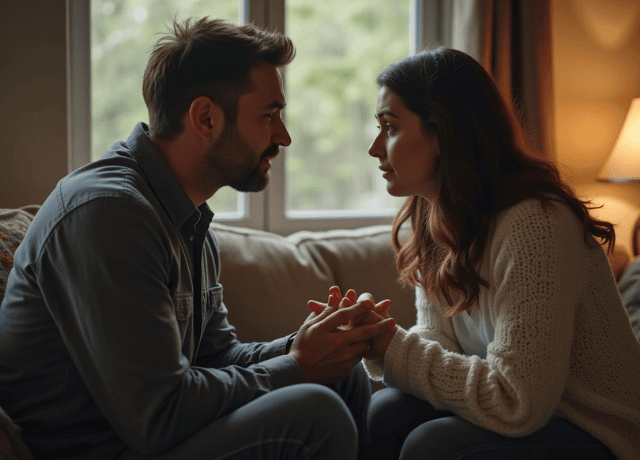
The Three Core Areas of Healing in Counseling:
- Communication Repair – Learning tools for respectful, productive dialogue.
- Trust Rebuilding – Establishing accountability, consistency, and transparency.
- Emotional Healing- Processing grief, shame, anger, and guilt in a safe environment.
How Counseling Helps Couples in Overcoming Infidelity in Marriage
Every couple’s journey after betrayal looks different, but counseling reveals common pathways toward healing. At the heart of this process is communication. Therapists provide couples with tools for honest, respectful dialogue that acknowledges painful emotions without resorting to blame. These guided conversations are central to overcoming infidelity in marriage and restoring a sense of safety. When pornography and divorce fears are in the room, communication tools help partners speak openly and rebuild understanding without shaming or stonewalling.
Another core element is rebuilding trust. Trust is not repaired overnight—it is restored through accountability, consistency, and transparency. Couple relationship therapy provides a structured environment where couples can take small, steady steps toward reliability, learning how to show up for each other again.
Emotional healing also plays a key role. Infidelity leaves behind deep scars of anger, grief, or shame. Marriage infidelity counseling creates a safe space where both partners can release those emotions and begin to feel lighter, more understood, and more hopeful about the future.

Benefits of Counseling After Infidelity
By working through these areas, couples begin the difficult but transformative work of overcoming infidelity in marriage. Counseling helps replace destructive cycles of silence, resentment, or conflict with healthier patterns rooted in empathy and growth. The result is not only recovery, but the possibility of building a relationship stronger than before.
When to Seek Marriage Infidelity Counseling
One of the biggest mistakes couples make is waiting too long to seek help. I often hear, “We thought time would fix it,” or, “We didn’t want to bring someone else into our private struggles.”
Time alone doesn’t heal betrayal, it often deepens the wounds. When painful issues go unaddressed, mistrust grows, communication breaks down, and resentment festers.
If you’re unsure whether counseling is right for you, start by asking:
- Are we truly heard or do our conversations slip into blame, defensiveness, or silence?
- Do I still feel like I can rely on my partner?
- Do I feel emotionally safe in this relationship?
If the answer is no, then it’s time to seek support.
Recognizing the Signs That Your Relationship Needs Healing and Support:
The Three Core Areas of Healing in Counseling:
- Trust issues linger – Even after the betrayal is acknowledged, suspicion remains.
- Emotional distance increases – One or both partners feel disconnected or guarded.
- Communication breaks down – Conversations are filled with tension, defensiveness, or avoidance.
- Resentment resurfaces – Old hurts return again and again, making it hard to move forward.
- Secrecy around online behaviors – Recurring arguments about pornography or online activity create additional pain.
If these signs sound familiar, please know that you don’t have to carry this burden by yourself. Healing becomes possible the moment you reach out for support.
Book your FREE consultation if these signs sound familiar

Rebuilding Trust and Communication
Healing after infidelity is not about going back to how things were. It’s about creating something new— stronger, more honest, and more connected than before. This process takes courage but I’ve seen it transform marriages that once seemed broken beyond repair. The journey of overcoming infidelity in marriage requires both partners to engage with honesty, consistency, and a willingness to grow together.
Practical Steps We Work On Together:
- Rebuilding daily trust – Following through on commitments and promises.
- Establishing healthy boundaries – Defining what safety, privacy, and transparency look like in your marriage.
- Practicing open dialogue – Creating safe, judgment-free spaces for honest sharing.
- Strengthening emotional intimacy – Learning how to comfort, listen, and respond to each other’s deeper needs.
With these tools and consistent practice, couples often discover that their marriage can emerge not only healed but more deeply connected than they imagined.
Rebuilding Trust After Infidelity
Couples who commit to counseling often find that trust, though fragile at first, can be rebuilt stronger than before. This process aligns with how to build trust in a relationship through honesty, patience, and consistent actions, including practical guidance on how to build trust after cheating. For couples worried that unresolved patterns could push them toward pornography and divorce ultimatums, therapy offers structure, skills, and accountability to change course.
Explore our blog on [Healing After Infidelity: Rebuilding Trust with Truthfulness and Listening]

Conclusion: The Path to Healing and a Stronger Marriage
Infidelity does not have to define the end of your marriage. It can be the start of a new chapter—one where you both learn, grow, and rediscover the possibility of love built on truth. I’ve seen couples come in shattered by betrayal and walk out months later holding hands, laughing, and rediscovering a deep sense of partnership.
As someone who has both lived through betrayal and walked alongside others, I bring not only professional expertise but also compassion born of personal experience. You don’t need to navigate this pain alone. With the right support, you can move from devastation to healing, from secrecy to openness, from rupture to repair.
If your marriage has been touched by betrayal, pornography, or disconnection, I invite you to take the first courageous step toward healing.