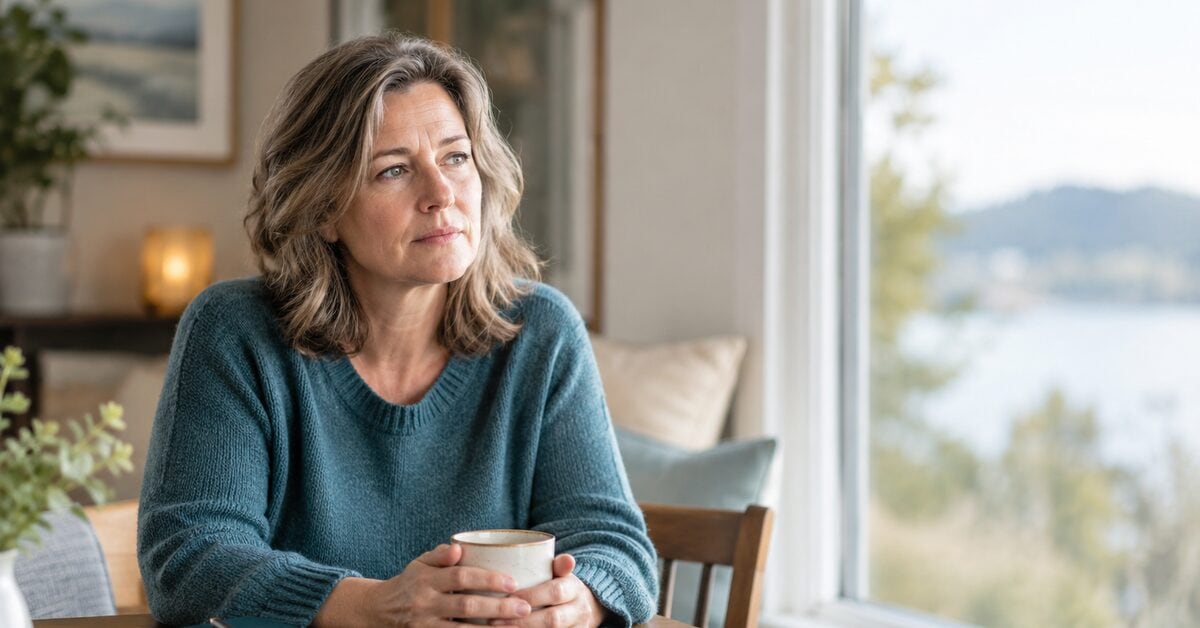
When betrayal shatters the foundation of a relationship, the pain can feel overwhelming. I’ve walked alongside many women who describe the heartbreak of discovering their partner’s sexual addiction, pornography use, or infidelity—it’s not just about broken trust but also about the disorientation and isolation that follow. This is what’s known as betrayal trauma and it affects every layer of life: emotional, physical, relational, even spiritual.
In my work, I focus on helping women make sense of this experience, offering tools to calm the nervous system, process emotions, and find safe spaces like cheating support groups or an unfaithful spouse support group, where healing begins through connection and shared understanding
Healing doesn’t mean forgetting what happened; it means reclaiming your voice, your peace, and your worth. You are not alone and with the right support, you can step into strength again.
Finding a Path Forward After Betrayal
When you discover your partner has cheated through an emotional affair, dating apps, pornography, sexting, or a physical relationship, it can feel like your world has been upended. The ground beneath you seems unstable, and you may question everything: your relationship, your judgment, and even your own worth. I want you to know that these feelings are completely natural. Betrayal shakes the very foundation of trust, and it’s normal to feel disoriented, angry, and hurt.
I’ve walked with many betrayed wives who felt isolated, ashamed, and uncertain about how to begin trusting again. You may hesitate to share your pain with friends or family, worried they won’t understand or that they’ll judge you. Cheating support groups create a safe space where you are truly heard and supported. These groups are designed to help you process your emotions, find clarity, and begin rebuilding trust in yourself.
Healing doesn’t happen overnight but it becomes possible when you are surrounded by people who truly understand. In a group setting, you begin to see that your experience doesn’t define you, and that your journey toward wholeness is valid and achievable. The right support can transform grief and shock into self-compassion, resilience, and hope for the future.
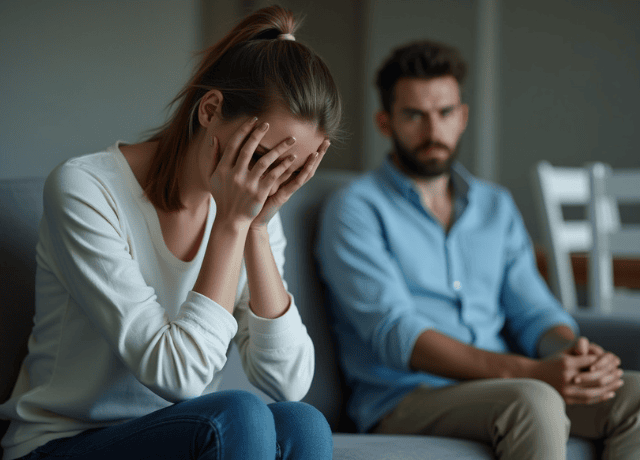
What Are Cheating Support Groups?
Cheating support groups are specialized communities for women processing the emotional, psychological, and relational impact of betrayal. Unlike general therapy groups, which may address a wide range of challenges, these groups focus specifically on trust violations, relational trauma, and the unique effects of infidelity or sexual betrayal.
These groups are ideal for women experiencing:
Emotional affairs
- Secret connections outside your relationship that leave you questioning your partner’s loyalty.
Pornography or sexting
- Behaviors that feel like hidden intimacy with someone or something else, often eroding trust.
Dating apps or online relationships
- Discovering your partner sought emotional or romantic validation elsewhere.
Physical affairs
- Breaches of sexual trust with profound emotional consequences.
Each of these experiences can be isolating, confusing, and painful. Cheating support groups offer a safe and structured environment to share these feelings, process your emotions, and learn coping strategies without fear of judgment. While these sessions center on betrayed partners, there are also programs like a support group for unfaithful spouses, designed to help partners address harmful behaviors and rebuild accountability.
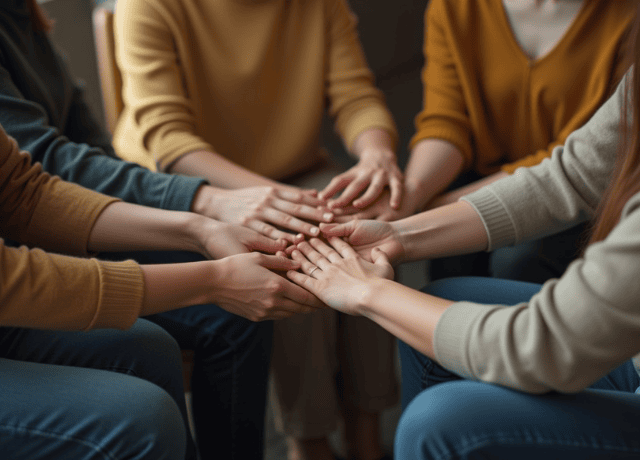
If you’re struggling with the aftermath of infidelity, you don’t have to go through it alone. Healing takes time, but with the right support you can rebuild trust and find peace. I invite you to join me for a confidential session where we can discuss your unique challenges and begin working toward healing.
How Support Groups Help in Healing Betrayal Trauma
Betrayal trauma affects every aspect of your well-being.
- Emotionally, you may feel grief, anger, or shame.
- Physically, stress and anxiety can manifest as sleep disturbances, headaches, or stomach issues.
- Psychologically, you might struggle with self-doubt or hyper-vigilance.
These reactions are normal but they don’t have to define your recovery.
Support groups help by breaking isolation and normalizing emotions. Being with women who truly understand your pain provides immediate validation: “I am not alone. My feelings are real. My response is normal.” Hearing others articulate what you’ve been silently carrying can be the first step toward relief.
Some of the main ways support groups foster healing include:
- Shared Understanding: You’re surrounded by others who have experienced similar betrayals, reducing shame and self-blame.
- Emotional Validation: Anger, grief, confusion, and fear are met with empathy, not judgment.
- Education and Tools: You’ll gain insight into betrayal trauma and learn strategies for emotional regulation, setting boundaries, and rebuilding trust.
- Safety and Confidentiality: Structured facilitation ensures you can share without fear of gossip or exposure.
Through these processes, women move from feeling overwhelmed and alone to empowered, grounded, and capable of navigating the aftermath of betrayal.
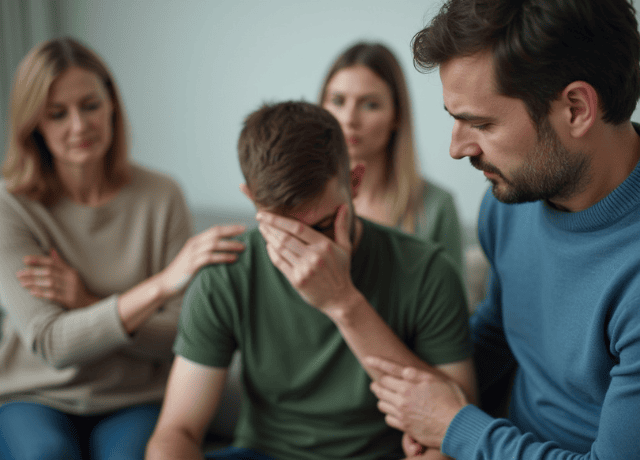
What to Expect in a Cheating Support Group
When you step into one of my support groups, I want you to feel one thing first: you are not alone. I know how isolating betrayal can be, you might feel like no one could possibly understand the depth of your hurt or the confusion you’re living in. But the truth is every woman in the room carries a story that echoes pieces of your own.
In our sessions, I create a space where honesty, tears, and even laughter are welcome. You’ll find women who are in different stages of healing. Some are still reeling from the shock, others are beginning to rebuild their strength.
Together, we share our experiences, not to compare pain but to remind one another that healing is possible. Here’s what you can expect when you join:
- Safety and confidentiality so you’ll never have to carry the weight of judgment here.
- I’ll guide you through grounding techniques, emotional regulation practices, and strategies to calm the body when the pain feels too big.
- There’s a deep relief in hearing someone else put words to what you’ve been feeling. You’ll discover you’re not “crazy” for the rollercoaster of emotions you’ve been riding.
- Healing doesn’t happen overnight, but in every session you’ll take one step closer to reclaiming your peace, your voice, and your worth.
I’ve seen women walk in heavy despair and walk out with shoulders a little lighter, knowing they don’t have to do this alone. That’s the power of coming together.
Choosing the Right Support Group for Your Needs
Not every group will fit your needs and that’s okay. The best support group aligns with your stage of healing and the type of support you need. Early on, you may need a space focused on emotional stabilization and safety. Later, you might seek a group that addresses rebuilding trust, intimacy, or long-term resilience.
When evaluating a group, consider:
- A licensed, trauma-informed facilitator ensures safety, expertise, and evidence-based guidance.
- Smaller groups allow deeper connection, while online options provide flexibility for busy schedules.
- Some groups specialize in emotional affairs, pornography recovery, or physical infidelity. You may also benefit from an unfaithful spouse support group that’s specifically designed for women navigating betrayal and broken trust.
- You should feel emotionally safe, supported, and free to share at your own pace.
- Alongside groups, some women also seek guidance from affair recovery counselors who specialize in the unique challenges of betrayal healing.
Trust your instincts. If a group feels unsafe, unsupportive, or incompatible with your needs, it’s okay to explore other options. Healing deserves spaces that truly honor and empower you.

Want to explore more on healing and support? Dive deeper into topics related to overcoming betrayal and building resilience by checking out more insightful blogs
Common Fears and Misconceptions About Joining a Group
Some women even ask if there’s a support group for cheaters and while those exist, what we focus on here is creating a safe space for those who have been betrayed. It’s normal to hesitate before joining a support group.
Many women worry about:
- Being judged or having their experiences minimized.
- Feeling vulnerable in front of strangers.
- The emotional weight of hearing others’ stories.
- Feeling self-conscious about needing support.
These fears are valid, but in reality, women often find the opposite. Support groups foster empathy, understanding, and shared resilience. They help you see that while betrayal shaped part of your story, it doesn’t define your future.
Joining a group helps you feel validated and understood, knowing you’re not alone in your emotions. It also builds emotional resilience by teaching you how to manage triggers and regulate your nervous system.
You’ll gain practical tools for setting boundaries, practicing self-care, and rebuilding trust. Most importantly, it allows you to reclaim your power and move from victimhood to empowered healing.
You Don’t Have to Go Through This Alone: Finding the Right Unfaithful Spouse Support Group
Healing from betrayal is a journey but you don’t have to walk it alone. Cheating support groups or an unfaithful spouse support group provide a sanctuary where your pain is acknowledged, your voice is respected, and your healing is supported every step of the way.
The right support group can help you:
- Regain your confidence
- Rebuild trust in yourself
- Process grief and anger safely
- Learn practical strategies for emotional regulation
If you’re not ready to commit financially, exploring resources like free infidelity counseling or community-based groups can be a first step before joining a facilitated session.

Ready to start healing? Schedule a private intensive session tailored to your recovery journey.